


WorldAnimalFoundation.org is reader-supported. When you buy through links on our site, we may earn an affiliate commission. Learn More
Owning a pet is truly an enriching adventure. Many people adopt dogs hoping to improve the animal’s life, but in reality, dogs bring just as much joy and positive change to their owners’ lives. Studies have shown that having a dog can significantly reduce stress and enhance both your health and lifestyle.
When choosing a dog, why not opt for one of the smartest breeds? Intelligent dogs are quick to learn commands and adapt swiftly to new environments, situations, and people. This ability not only makes training easier but also helps them respond sensitively to human emotions, fostering a deeper, more meaningful bond with their families.
Smart dogs thrive on mental stimulation, and thinking up new ways to challenge them can be a rewarding and stimulating experience for you as well. Well-trained, intellectually engaged dogs are also less likely to develop behavioral issues, making them ideal companions for family life.
So, are you ready to meet the perfect canine addition to your family? Let’s explore the ten most intelligent dogs for families, each ready to bring their own unique blend of smartness and affection into your home.
Most Intelligent Dogs for Families
1. Border Collie
The Border Collie holds the title of the smartest dog breed, often standing out as the overachiever of the canine world. Originally bred for herding, these dogs excel in almost any task set before them, combining extreme energy, athleticism, and a strong drive with a willingness to learn new things continuously.
PetPlan notes that Border Collies are energetic, even-tempered, and eager to please, qualities that make them excellent family pets. They are good with children and other pets, although proper introduction is crucial due to their natural herding instincts. These instincts may manifest as ‘eyeing,’ barking, and even gentle nipping at family pets or unfamiliar dogs as a way of herding them.
Border Collies have lively personalities and love engaging in activities with both kids and adults. They are fantastic partners for Frisbee, hiking, and agility competitions. They thrive on being active and involved with their families. When it comes to grooming, Border Collies are relatively low maintenance. Their coat health can be easily managed with weekly brushing to minimize shedding.
2. Newfoundland
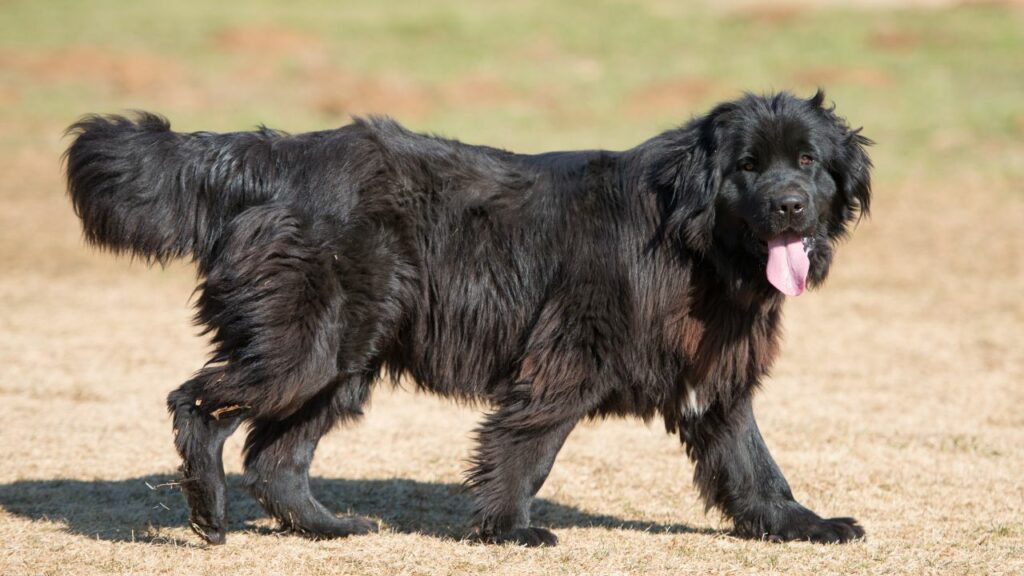
If you’re looking to fill a large home with a gentle giant, Newfoundland might be the perfect addition to your family. Often referred to as the ‘Nanny dog‘ because of their sweet nature and affinity for children, Newfoundlands are not only protective but also incredibly patient with young family members. They are known to watch over children vigilantly, yet they remain forgiving and non-aggressive, even if play becomes a bit rough.
Newfoundlands shine with their intelligence and eagerness to please, traits that make them highly trainable. They respond excellently to positive reinforcement, adapting well to various training environments and scenarios. While they are large, these dogs are relatively low-energy, often content with modest daily exercise, although, without it, they can tend toward being couch potatoes.
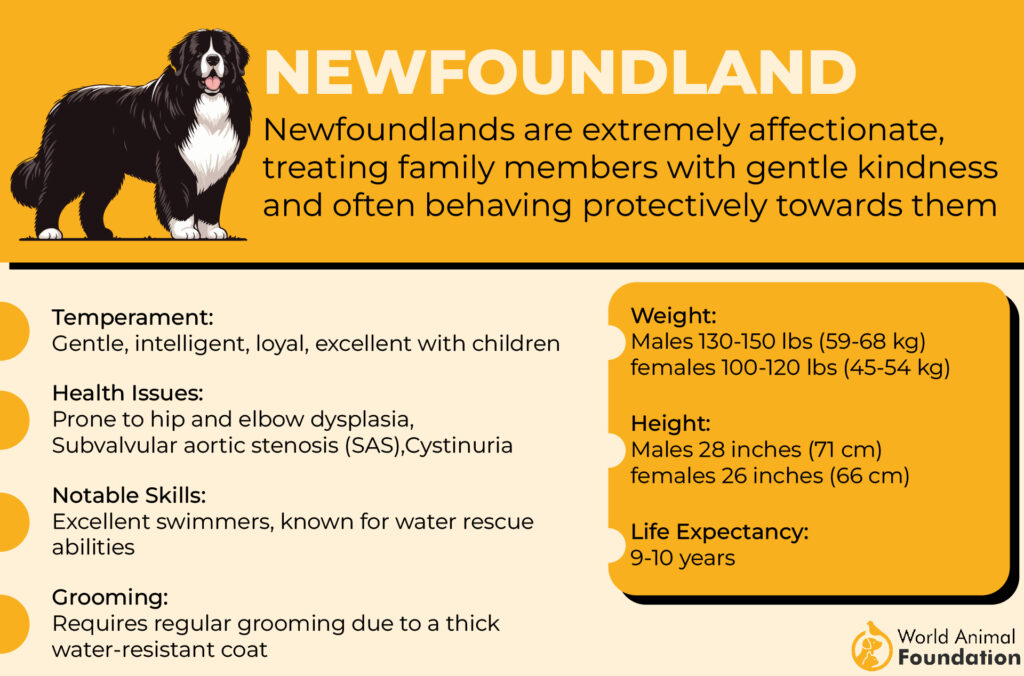
Forbes notes that Newfoundlands are considered moderate to high maintenance, primarily due to their thick double coat, which requires regular grooming to prevent matting and manage shedding. Additionally, they are a social breed needing regular interaction not just with people but also with other dogs to stay happy and healthy.
3. German Shepherd

German Shepherds are highly regarded as excellent family pets, especially for households that can dedicate time to training and socialization. Originally bred for herding sheep, this breed is known for its high intelligence and trainable nature, as highlighted by Petplan.
While they may have a reputation for being formidable, German Shepherds are generally sweet-natured and interact well with children, making them an excellent choice for family environments. It’s crucial, however, to ensure they are properly socialized and trained from an early age, whether they join your family as puppies or adults.
A standout trait of the German Shepherd is its obedience. These dogs are quick learners, able to pick up tricks and commands almost as quickly as they can run. Regarding their care, German Shepherds do require regular grooming to keep their shedding under control and to prevent matting or skin issues. They also need a significant amount of exercise and mental stimulation. Without these, a German Shepherd may channel their energy into less desirable behaviors.
4. Beagle

Beagles are not only one of the best dog breeds for families but are also widely recognized as one of the friendliest breeds. Known for their energetic and slightly mischievous personalities, Beagles thrive in family settings and enjoy engaging in playful antics, especially with children.
These cheerful dogs are very affectionate and crave companionship. If left alone for too long, they may resort to howling or destructive behaviors due to their dislike of solitude. Beagles are highly intelligent and have a remarkable ability to stay focused on a task, making it difficult to distract them once they are engaged.
Despite their smaller size and even-tempered nature, which make them suitable as first-time pets, Beagles can be challenging to train due to their curious and energetic disposition.
According to Hill’s Pet, Beagles are active and inherently curious, typical of hound dogs, which drives their tendency to roam. Beagles are low-maintenance in terms of grooming, requiring only minimal care for their short coats and occasional baths. However, their propensity to gain weight after puppyhood necessitates careful monitoring of their diet to maintain a healthy weight.
5. Golden Retriever
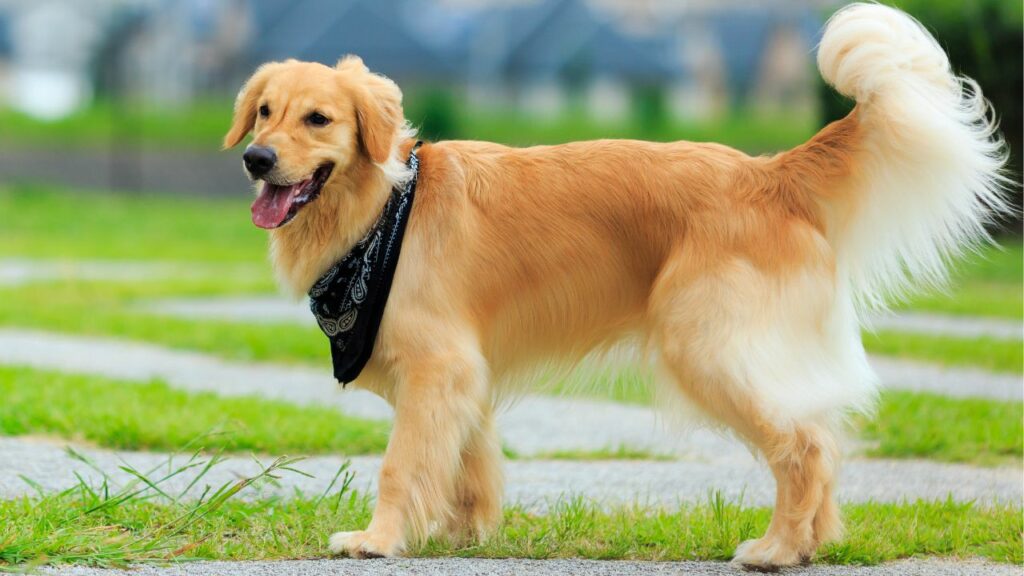
Golden Retrievers are the epitome of the family dog—furry, friendly, and a bit goofy. Known for their patience, good nature, and affection, they are exceptionally great with children. Goldens are not only intelligent but also remarkably easy to train, and their sensible nature renders them more stable and reliable than many other smart breeds. While they are serious and focused when needed, Golden Retrievers are equally fun-loving and cherish their playtime.
Eager to please their families, Golden Retrievers excel in loyalty and trainability, further enhancing their reputation as ideal family dogs. They are naturally active and thrive in environments where they can exercise daily. For families with space for them to roam and children eager to engage in activities like throwing a ball or teaching new tricks, Golden Retrievers are a perfect match.
According to PetMD, when it comes to grooming, the most crucial aspect of maintaining a Golden Retriever’s coat is regular brushing—twice a week is recommended. This helps manage shedding and keeps their coat healthy and shiny.
6. French Bulldog

French Bulldogs, or “Frenchies,” are a top choice for small family dogs, thanks to their cheerful and easygoing nature, not to mention their charming flat faces. While they are known to face a number of health issues, these fun-loving dogs are highly affectionate and enjoy playing with both children and other pets.
Frenchies are celebrated for their laid-back and adaptable temperament. However, they do not enjoy being left alone and are happiest in homes where someone is present throughout the day.
PDSA notes that training a French Bulldog can be a breeze if you make the process enjoyable and engaging, turning training sessions into fun games. Despite their low exercise requirements compared to more active breeds, Frenchies still enjoy staying active and engaged through play and moderate exercise.
French Bulldogs require minimal grooming. They don’t shed much, so a weekly brushing and regular vacuuming are sufficient to keep their coat—and your home—in good condition. Additionally, it’s important to regularly clean and dry the folds around their face to prevent skin infections.
7. Cavalier King Charles Spaniel

The Cavalier King Charles Spaniel stands out as one of the most kid-friendly dog breeds, renowned for its happy disposition and sweet nature. The breed’s small and manageable size makes it a perfect fit for families living in smaller homes or apartments.
This breed’s gentle demeanor is particularly valuable in a family setting, especially for households with young children. Cavaliers are not only affectionate but also very loyal, often seeking to spend time cuddling with family members.
Cavaliers are quite intelligent and responsive to training. According to Britannica, the breed is playful and generally easy to train, though they tend to have a moderate energy level and a laid-back attitude.
Cavalier King Charles Spaniels have a medium-to-long coat that does shed to some extent. Regular grooming—ideally weekly—can help manage shedding and keep their coat in good condition.
8. Bulldog

The Bulldog, with its unique, wrinkly appearance, makes an excellent family pet, especially for households with children. Known for their loyalty, Bulldogs adapt well to various living environments and enjoy spending quality time with their families.
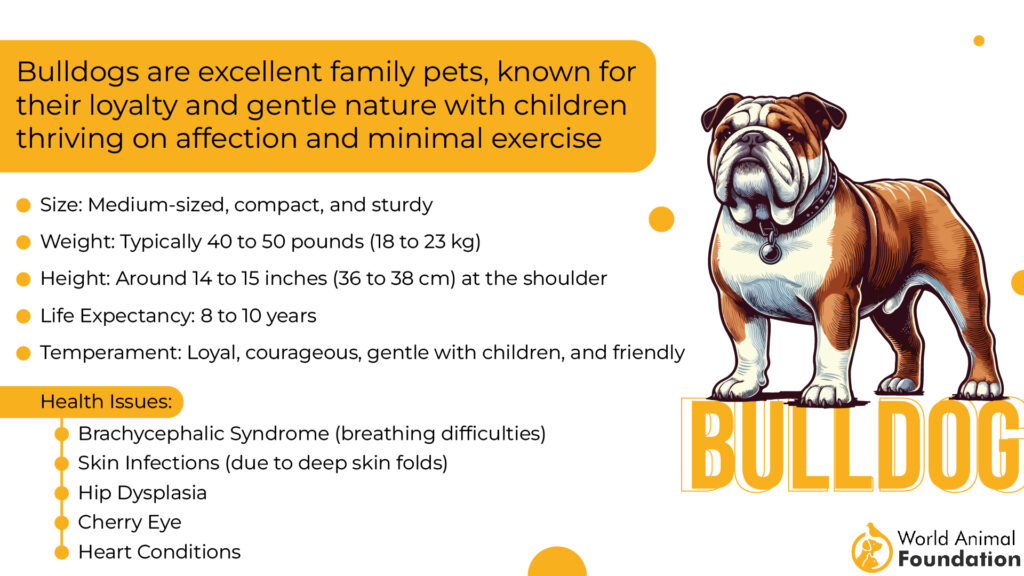
Despite their friendly and docile nature, Bulldogs still possess the courage that was historically bred into them for bullbaiting, making them effective watchdogs. Contrary to some beliefs, Bulldogs are not “dumb” but are actually quite intelligent. Their stubborn nature can make training more challenging, leading some to misjudge their capabilities.
Grooming is essential for maintaining a Bulldog’s skin and coat health. It is recommended to brush Bulldogs thoroughly at least three times a week. Fortunately, due to their mellow temperament, Bulldogs generally enjoy the grooming process, which can also serve as a bonding activity between the dog and its owner.
Omlet states that while Bulldogs are not the most active breed, they still require regular exercise to maintain their health. Regular walks and occasional playful activities are necessary to keep them in good shape.
9. Labrador Retriever

Labrador Retrievers are widely recognized as one of the best dog breeds for families, cherished for their love of children and their ability to integrate seamlessly with other pets. Known for their friendly and outgoing nature, Labradors thrive on being part of family activities and are always ready for an adventure.
These dogs are not only affable but also highly intelligent, making them easy to train. Labradors are eager to please, quickly picking up on tricks and commands in exchange for praise and treats. Labradors possess a high energy level that lasts throughout most of their life. They require plenty of exercise and attention to stay happy and healthy. Whether it’s playing fetch, going for swims, or participating in family outings, Labradors need to be actively engaged.
One quirk of the breed is their tendency to chew and eat things they shouldn’t, especially as puppies. It’s important to keep a watchful eye on them and invest time in training to teach them what is safe to consume.
As for grooming, Labrador Retrievers are high-shedding dogs. Regular brushing is essential to manage their shedding; however, even with diligent grooming, expect to find some dog hair around your home.
10. German Shorthaired Pointer

German Shorthaired Pointers (GSPs) are excellent family dogs known for their intelligence and playfulness. They thrive in an environment where they can engage with their families, proving to be good companions for children and other dogs. While they are keen and obedient students, their strong instinctual drives can sometimes distract them.
As an intelligent breed, GSPs respond well to consistent training sessions. They have a strong need for a sense of purpose; without proper engagement, they can become restless and potentially destructive. The American Kennel Club notes that GSPs are always eager to participate in physical activities like running, swimming, and organized dog sports, which are great ways to channel their abundant energy.
GSPs are relatively low-maintenance in terms of grooming. Their coat requires only occasional brushing, about every few days, to keep it clean and tidy.
Conclusion
The intelligence and versatility of family-friendly dogs such as the Australian Shepherd make them exceptional companions. Recognized by the American Kennel Club for their agility and trainability, these dogs excel in obedience training and are well-suited for active families.
With proper training, Australian Shepherds can also participate in dog sports and activities that channel their energetic nature. Moreover, their intelligence and temperament qualify them as excellent therapy dogs, rescue dogs, and service dogs.
Whether it’s for hunting, working, or simply providing companionship, intelligent dog breeds like the Australian Shepherd enhance family life with their loyalty and dynamic presence.