

assemble a circuit board
Circuit boards, particularly printed circuit boards (PCBs), are fundamental components in modern electronic devices, serving as the backbone for a wide variety of applications across numerous industries. Their ability to efficiently connect electronic components and facilitate the flow of electrical signals makes them indispensable in today’s technology-driven world. Here are some common applications of circuit boards across different fields.
One of the most prominent applications of circuit boards is in consumer electronics. Devices such as smartphones, tablets, laptops, televisions, and gaming consoles rely heavily on PCBs to function. In these devices, circuit boards house the microprocessors, memory, and other critical components necessary for processing information and performing tasks. For instance, the motherboard in a computer contains multiple circuit boards that interconnect the CPU, RAM, storage devices, and peripherals, enabling seamless operation and user interaction.
The automotive industry has seen a significant increase in the use of circuit boards due to the growing complexity of modern vehicles. circuit board are used in various systems, including engine management, infotainment, navigation, and safety features like anti-lock braking systems (ABS) and airbags. As vehicles become more automated and incorporate advanced technologies such as autonomous driving, the demand for reliable and efficient PCBs continues to rise. These boards are designed to withstand harsh environments, including temperature variations and vibrations, ensuring safety and reliability in automotive applications.
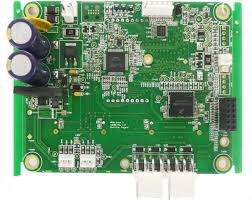
What tools are needed to assemble a circuit board?
In the medical field, circuit boards play a critical role in the development of diagnostic and therapeutic equipment. Devices such as ultrasound machines, MRI scanners, pacemakers, and blood glucose monitors rely on PCBs to connect various sensors, processors, and output devices. The precision and reliability of these circuit boards are vital, as they often deal with life-saving applications. Additionally, the increasing trend towards wearable medical technology, such as fitness trackers and smartwatches, further expands the applications of circuit boards in monitoring health metrics and providing real-time data to users.
Industrial applications utilize circuit boards in various machinery and equipment for automation and control. PCBs are integral to programmable logic controllers (PLCs), which monitor and control manufacturing processes, conveyor systems, and robotics. They enable real-time data processing and communication between different components, ensuring efficiency and precision in industrial operations. The integration of PCBs in industrial automation has significantly enhanced productivity, reduced operational costs, and improved safety in workplaces.
The harsh conditions and high reliability requirements of these environments demand specialized circuit boards that can withstand extreme temperatures, vibrations, and electromagnetic interference. PCBs used in aerospace applications must adhere to stringent standards and regulations to ensure the safety and functionality of equipment used in aircraft and spacecraft.
In the telecommunications industry, circuit boards are fundamental to the functioning of devices such as routers, switches, and cellular base stations. These boards facilitate the transmission of data over networks and connect various communication devices. As the demand for faster and more reliable communication continues to grow, advancements in circuit board technology are essential for improving bandwidth and reducing latency. Additionally, circuit boards are used in satellite communication systems and other long-range communication technologies, further emphasizing their importance in this field.