

pcb circuit board assembly
PCB (Printed Circuit Board) circuit board assembly is a fundamental component of modern electronics, serving as the backbone of countless devices and systems. While PCBs are designed to be durable and reliable, they are not immune to damage or malfunction. In the event of damage to a PCB assembly, the question arises: can it be repaired?
The answer to this question depends on the nature and extent of the damage. Minor issues, such as solder joint cracks or component failures, can often be repaired with relative ease. Skilled technicians can use soldering irons and other tools to reflow solder joints, replace faulty components, or patch damaged traces, restoring the functionality of the pcb circuit board assembly.
However, repairing more severe damage, such as extensive delamination, burnt traces, or damaged vias, can be significantly more challenging. In some cases, attempting to repair such damage may be impractical or cost-prohibitive, especially if the damage is widespread or affects critical components or circuitry.
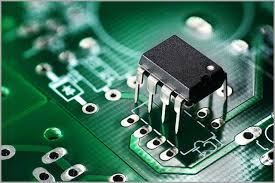
Can pcb circuit board assembly be repaired if damaged?
Another factor to consider is the complexity of the PCB assembly. Modern PCBs can be densely packed with components and feature multiple layers of traces and vias, making it difficult to access and repair damaged areas. In such cases, repairing the PCB assembly may require specialized equipment and expertise, increasing the complexity and cost of the repair process.
Additionally, the availability of replacement components and materials can impact the feasibility of repairing a damaged PCB assembly. If the damaged components or materials are obsolete or difficult to source, repairing the PCB assembly may be more challenging or even impossible. In such cases, it may be more practical to replace the entire PCB assembly rather than attempting repairs.
Despite these challenges, there are instances where repairing a damaged PCB assembly can be a viable option. For example, in situations where the PCB assembly is part of a larger, expensive system or where downtime is critical, repairing the PCB assembly may be the most expedient and cost-effective solution. Similarly, if the damage is localized and limited in scope, repairing the PCB assembly may be a feasible option.
In conclusion, while PCB circuit board assembly can be repaired if damaged, the feasibility of repair depends on various factors, including the nature and extent of the damage, the complexity of the PCB assembly, and the availability of replacement components and materials. Minor issues can often be repaired with relative ease, but more severe damage may pose significant challenges and may require specialized expertise and equipment. Ultimately, the decision to repair a damaged PCB assembly should be based on a careful assessment of the situation, weighing the costs, risks, and benefits of repair versus replacement.