

rework factor into flex circuit board processes
Rework is an inevitable aspect of flex circuit board processes, playing a significant role in ensuring the quality, reliability, and functionality of the final product. Flex circuit boards, also known as flexible printed circuit boards (PCBs), are essential components in various electronic devices, from smartphones and wearables to medical equipment and automotive systems. Rework involves the repair or modification of flex circuit boards to address defects, errors, or design changes that arise during the manufacturing process or product lifecycle.
One way rework factors into flex circuit board processes is in the correction of assembly defects. Despite meticulous planning and execution, assembly errors such as solder bridging, component misalignment, or insufficient soldering may occur during the manufacturing process. Rework allows manufacturers to identify and rectify these defects promptly, ensuring that the flex circuit boards meet quality standards and performance requirements. Techniques such as reflow soldering, desoldering, and component replacement are commonly employed in rework processes to correct assembly issues and restore the functionality of the boards.
Moreover, rework plays a crucial role in accommodating design changes or revisions during the product development lifecycle. As technology evolves and customer requirements evolve, design modifications may be necessary to enhance product performance, functionality, or manufacturability. Rework enables manufacturers to implement these changes efficiently without scrapping entire batches of flex circuit boards. Whether modifying component placement, adjusting trace routing, or incorporating new features, rework allows for agile iteration and optimization of flex circuit board designs to meet evolving market demands.
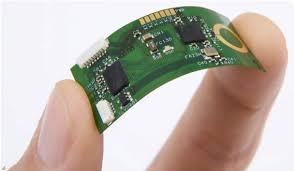
How does rework factor into flex circuit board processes?
Furthermore, rework is essential for addressing defects or failures identified during testing, inspection, or end-user feedback. Despite stringent quality control measures, defects such as electrical shorts, open circuits, or reliability issues may manifest after the flex circuit boards have been assembled and deployed. Rework enables manufacturers to diagnose the root cause of these issues and implement corrective actions to resolve them. This may involve repairing damaged traces, reinforcing weak solder joints, or replacing faulty components to restore the functionality and reliability of the flex circuit boards.
Additionally, rework factors into flex circuit board processes by facilitating product customization or customization for specific applications. Flex circuit boards are often used in diverse industries and applications, each with unique requirements and specifications. Rework allows manufacturers to tailor flex circuit boards to meet these specialized needs, whether by adding or removing components, adjusting electrical characteristics, or modifying form factors. This flexibility enables manufacturers to address niche markets, accommodate customer preferences, and differentiate their products in a competitive landscape.
However, while rework offers numerous benefits in flex circuit board processes, it also poses challenges and considerations that must be managed effectively. Rework can introduce additional costs, time delays, and quality risks if not executed properly. Excessive rework may indicate underlying issues in the manufacturing process or design, highlighting the importance of root cause analysis and continuous improvement initiatives. Minimizing rework through proactive quality control, employee training, and process optimization is essential for optimizing production efficiency and maintaining competitiveness in the electronics industry.
In conclusion, rework is a critical aspect of flex circuit board processes, enabling manufacturers to address assembly defects, accommodate design changes, resolve failures, and customize products for specific applications. While rework introduces challenges and considerations, its effective management is essential for ensuring the quality, reliability, and functionality of flex circuit boards. By embracing rework as an integral part of the manufacturing process and implementing best practices to minimize its occurrence, manufacturers can deliver high-quality flex circuit boards that meet the evolving needs of the electronics market.