

vibroacoustic therapy different from regular sound therapy
Vibroacoustic Therapy (VAT) is an FDA-approved wellness modality that utilizes sound vibrations to enhance the physical and mental health of an individual. Unlike other therapies, the low-frequency waves of sound applied in VAT create vibrations similar to the resonances in the body, which trigger relaxation, pain relief, and overall well-being. While both vibroacoustic therapy and regular sound therapy use sound as a healing tool, they function in fundamentally different ways.
Regular sound therapy primarily focuses on the auditory experience, where specific frequencies, music, or natural sounds are used to influence mood, stress levels, and cognitive function. It relies on the brain’s response to sound waves, often using techniques such as binaural beats, guided meditations, and frequency-based music to promote relaxation or mental clarity. These auditory inputs can help regulate brainwave activity and support emotional well-being.
In contrast, vibroacoustic therapy goes beyond just listening to sound—it allows individuals to physically feel the sound through vibrations transmitted directly to the body. VAT uses low-frequency sound waves, typically between 30 Hz and 120 Hz, which are applied through specialized equipment such as vibroacoustic mats, recliners, or cushions. These vibrations penetrate deep into the muscles and tissues, promoting circulation, reducing pain, and stimulating the body’s natural healing processes.
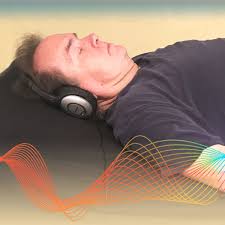
How is vibroacoustic therapy different from regular sound therapy?
At Vibroacoustic Solutions, we’ve reimagined VAT devices to be lightweight, portable, and modular, offering unparalleled affordability and versatility. Unlike traditional bulky, expensive equipment, our products help users integrate therapy into their lives effortlessly. This accessibility allows more people to experience the profound benefits of vibroacoustic therapy from the comfort of their own homes.
Another key difference between vibroacoustic therapy and regular sound therapy is the physiological impact on the body. While regular sound therapy primarily influences the brain and nervous system, VAT has a more direct effect on the physical body. The vibrations in VAT help release muscle tension, reduce inflammation, and even stimulate the lymphatic system. This makes VAT particularly beneficial for individuals suffering from chronic pain, fibromyalgia, arthritis, or recovery from physical injuries.
Additionally, vibroacoustic therapy has been scientifically studied for its ability to influence brainwave states in a more profound way than standard sound therapy. The vibrations can help synchronize brain activity with calming frequencies, leading to a deeper state of relaxation. This makes VAT a powerful tool for managing stress, anxiety, and sleep disorders, as it engages both the body and the mind simultaneously.
While both therapies have their unique advantages, vibroacoustic therapy is often considered a more immersive experience. The combination of sound and vibration creates a full-body therapeutic effect, making it distinct from traditional sound therapy. Those looking for a deeper level of physical relaxation and pain relief often find VAT to be more effective than simply listening to healing sounds.
In conclusion, the main difference between vibroacoustic therapy and regular sound therapy lies in their method of application and impact on the body. While sound therapy works primarily through auditory stimulation, VAT delivers low-frequency vibrations directly to the body, enhancing relaxation, pain relief, and overall well-being. With innovative solutions from Vibroacoustic Solutions, more individuals can now access the powerful benefits of VAT in an easy and convenient way.