

Prototype PCB Production Supports
The electronics industry is responsible for producing the amazing devices that power the modern world. But bringing new PCB-based products to market is an incredible undertaking that requires technical acumen, strong collaboration, and a commitment to quality at every step. One critical component of this journey is prototype production. This article will discuss how prototype PCB production supports innovation in electronics by helping engineers test their design concepts and catch problems before they can become costly issues during mass production.
Prototype PCBs are physical representations of a digital design that enable thorough testing and evaluation. Prototypes can help manufacturers discover design flaws or inefficiencies that are not apparent during the CAD phase, and they can also improve the reliability and performance of final products by eliminating or minimizing production tolerances. Prototypes can also save manufacturers time and money by reducing the amount of testing required to verify that a final product performs as intended.
There are several different types of prototype pcb production, each serving a unique purpose and application. Engineers can choose from single-sided and double-sided prototype boards, as well as multi-layer boards that support more complex designs. They can also select a substrate material, such as FR-4, polyimide, or metal-core, depending on the needs of their project. In addition, they can opt for etching or milling to modify the design of their prototype.
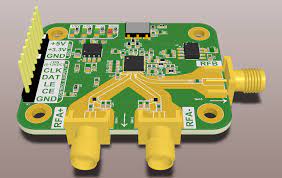
How Prototype PCB Production Supports Innovation in Electronics
The most important aspect of prototype production is that it provides a realistic and tangible representation of the design to enable thorough testing and evaluation. This can prevent potential errors during the CAD phase that may not be detected until the actual production run, saving time and resources. It can also reduce the risk of costly mistakes that could compromise the quality and performance of the final product.
Creating a prototype PCB allows the engineering team to test a variety of components and the overall functionality of their device. This process is essential to ensuring that the finished product will be reliable and durable, and it can help identify areas where the design can be improved. In many cases, the prototype will be tested under conditions that simulate real-world use, including temperature fluctuations and shocks.
A good prototype PCB production service will offer technical assistance throughout the prototyping process. They will review the design and specifications to check for any issues that may affect manufacturability. They can then recommend and implement any necessary changes to ensure that the design is ready for the next step of the process. This step is known as Design for Manufacturing (DFM), and it involves optimizing the design to make it more compatible with the production capabilities of the manufacturer. This can help ensure that the final product will be affordable and durable, and it will meet or exceed customer expectations. This type of collaborative approach helps to support innovation in the industry by enabling faster time-to-market and fewer expensive errors during production.