

Categories of Industrial Supplies
Industrial supplies are the basic tools and equipment businesses use for operational purposes. These items are necessary to conduct production processes and keep the business running smoothly. Without the right supplies, operations would be stalled or even halted. The right supplies can ensure productivity and quality while also maintaining safety standards. Industrial supply distributors are the middlemen that source and deliver these essential products to customers.
There are several important categories of industrial supplies that range from safety equipment to power tools and materials. The key to a successful industrial supply chain is to focus on creating resilient supply chains, especially during challenging times when there’s an increased need for these goods. By diversifying suppliers and building redundancy, companies can mitigate risks to their supply chains and ensure a steady flow of goods.
There are three main types of industrial goods: capital goods, operating supplies, and maintenance and repair (M&R) supplies. Capital goods are long-lasting assets that businesses purchase to improve productivity. They are a large part of a company’s budget and have a significant impact on the bottom line. For example, a manufacturer may invest in a new machine to increase capacity or a truck for transporting goods. These types of assets are usually expensive and have a longer life cycle than other industrial products, which makes them more vulnerable to disruptions in the supply chain.
Operating supplies are temporary materials that help businesses produce and sell products without being a part of the finished product. These include lubricating oil, stationery, and other consumables. Operating supplies are not as crucial as capital goods because they don’t affect the company’s profitability, but a shortage of these supplies can lead to delays and disruptions.
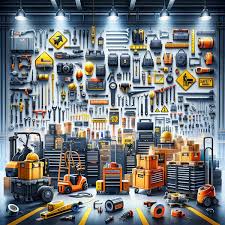
The Essential Categories of Industrial Supplies
The last category of industrial goods are components and parts that are used to make other products or services. For instance, a computer requires metals, glass, and plastic to create. These components are classified as intermediate goods because they are used to make another final good, such as a computer or car. The intermediate goods are then categorized as manufactured goods to differentiate them from raw materials.
As the demand for industrial supplies increases, so do the risks of supply disruptions and volatility. Many companies are rethinking their strategies for managing these supplies, including diversifying suppliers, increasing redundancy, and implementing technology to track inventory. These changes are aimed at ensuring resilience and creating robust supply chains, particularly during challenging times when there’s an increased risk of natural disasters or geopolitical events that can throw the entire system into disarray.
By embracing change, companies can create more flexible and adaptable supply chains to respond to any challenges. They can also focus on building partnerships and adopting effective management practices to ensure that they are always ready to deliver high-quality industrial supplies to their customers. In addition, they can ensure the quality of their products by partnering with reliable manufacturers and using rigorous testing and maintenance procedures.