

Hydrastep Probes
Hydrastep Probes are rapidly becoming the preferred choice over traditional level gauges in various industries due to their superior accuracy, reliability, and ease of use. Traditional level gauges, such as float-based or sight-glass indicators, can be prone to wear and tear, as well as being difficult to maintain, especially in high-pressure and high-temperature environments like boiler systems. Hydrastep Probes, on the other hand, offer a more advanced and precise solution, utilizing conductivity-based technology to monitor water levels in a more efficient and cost-effective manner. This makes them an ideal option for facilities that rely on consistent and reliable performance for critical applications such as boiler management.
One of the key advantages of Hydrastep Probes is their ability to provide highly accurate readings. Unlike traditional level gauges, which may be subject to inaccuracies due to physical wear, corrosion, or changes in pressure, Hydrastep Probes are designed to work based on conductivity measurements. These probes are capable of detecting subtle changes in water levels by measuring the electrical conductivity between electrodes placed along the length of the probe. This method is far more reliable than mechanical level indicators, which can fail if they are exposed to extreme conditions or undergo physical damage. The accuracy and precision offered by Hydrastep Probes are critical for maintaining safe and efficient operations, especially in environments like boilers where even small deviations in water levels can result in severe consequences.
Additionally, Hydrastep Probes are much easier to maintain than traditional level gauges. Mechanical gauges, such as float switches and sight glasses, often require regular maintenance and cleaning to ensure proper operation, as they can become clogged or damaged over time. In contrast, Hydrastep Probes are more durable and less susceptible to wear, reducing the need for frequent maintenance and extending their lifespan. This is especially advantageous in industries that require continuous, high-performance operation, as it minimizes downtime and reduces maintenance costs.
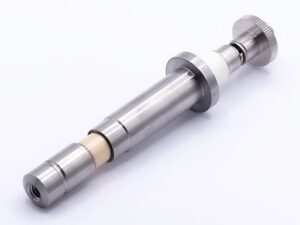
Why are Hydrastep Probes preferred over traditional level gauges?
Another significant benefit of Hydrastep Probes is their compatibility and ease of integration with existing systems. Drumline, a UK-based company with over 10 years of experience in manufacturing conductivity level probes, produces direct replacement probes for various electronic drum level indicators and level switches, including Hydrastep, Delta Mobrey, and Cesare Bonetti. This means that upgrading from traditional level gauges to Hydrastep Probes can be done seamlessly, without the need for extensive system modifications or redesigns. With Drumline’s extensive stock of probes and simple purchasing process, facilities can quickly replace old or faulty level indicators, minimizing operational disruptions.
Hydrastep Probes also offer a higher level of safety compared to traditional level gauges. Mechanical gauges can be prone to leaks, breakages, or malfunctions, which can pose safety risks, particularly in high-pressure systems. In contrast, Hydrastep Probes provide reliable, real-time data without the risks associated with mechanical failure. Their ability to detect water levels accurately in various environments makes them a safer and more efficient choice for critical applications.
In conclusion, Hydrastep Probes are preferred over traditional level gauges due to their enhanced accuracy, durability, ease of maintenance, and integration capabilities. By offering precise, real-time water level measurements and reducing the need for frequent maintenance, Hydrastep Probes are an invaluable solution for facilities seeking to improve safety, performance, and operational efficiency. Drumline’s commitment to high-quality manufacturing and its vast experience in the industry ensures that their Hydrastep Probes meet the highest standards, making them the go-to choice for businesses looking to upgrade their level measurement systems.